
PLC HMI SCADA System
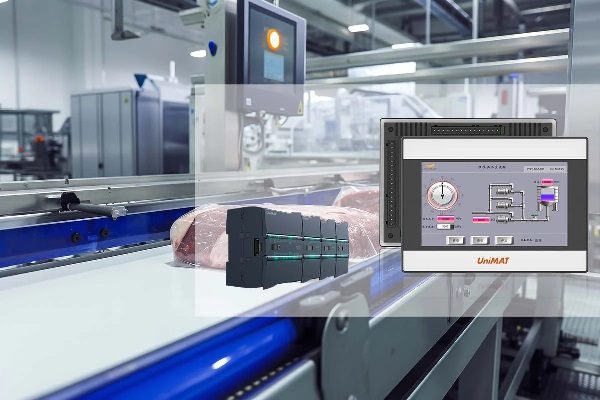
PLC, HMI, and SCADA systems form an integrated industrial automation trio: PLCs (Programmable Logic Controllers) provide real-time machine control; HMIs (Human-Machine Interfaces) offer local operator interaction with screens and buttons; and SCADA (Supervisory Control and Data Acquisition) systems monitor, collect, and analyze data across the entire plant for a big-picture view and centralized management, with PLCs feeding data to SCADA via HMIs for comprehensive automation.
PLC (Programmable Logic Controller)
- Role: The "brain" of individual machines, executing precise, real-time control logic.
- Function: Reads inputs from sensors, processes them using programmed logic (like ladder logic), and sends outputs to control actuators (motors, valves).
- Example: Detecting a temperature spike and shutting off a heater.
HMI (Human-Machine Interface)
- Role: The "face" of the system, allowing operators to see and interact with machines.
- Function: Provides visual feedback (graphics, alarms, trends) and input (touchscreens, buttons) for local control, monitoring, and diagnostics, often directly connected to a PLC.
- Example: A touchscreen showing a machine's status and allowing an operator to start/stop it.
SCADA (Supervisory Control and Data Acquisition)
- Role: The "eyes and ears" for overall plant supervision.
- Function: Gathers data from multiple PLCs and HMIs across a large area, centralizes it, analyzes trends, logs historical data, and generates high-level reports and alerts for managers.
- Example: Monitoring the overall output of an entire production line, not just one machine.