
VFD (Variable Frequency Drive)
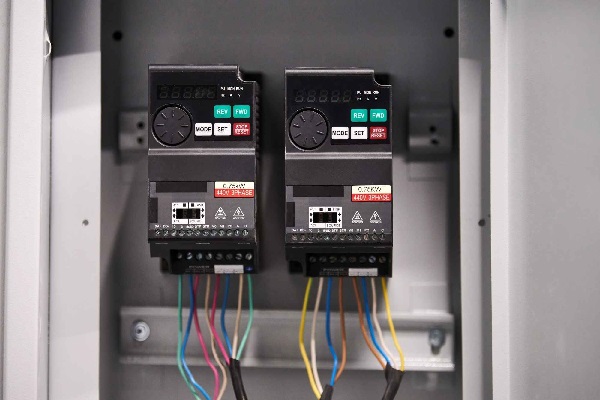
A Variable Frequency Drive (VFD) is an electronic controller that adjusts the speed, torque, and performance of an AC electric motor by varying the frequency and voltage of the power supply, allowing for energy savings, smoother starts, and precise process control in applications like pumps, fans, and conveyors. VFDs work by converting incoming fixed AC power to DC, then inverting it back into variable AC power, often called AC drives, inverters, or adjustable speed drives.
How it works
- Control System: Manages the switching to achieve the desired speed and torque.
- Rectifier: Converts incoming fixed-frequency AC power (e.g., 60Hz) into DC power.
- Filter/DC Bus: Smooths out the DC power using capacitors.
- Inverter: Uses switches (like transistors) to create a new AC waveform with a variable frequency and voltage, which is then sent to the motor.
Key benefits
- Energy Savings: Reduces energy use by matching motor speed to actual demand, especially in variable-load applications.
- Process Optimization: Provides precise speed control for better product quality and efficiency.
- Reduced Wear: Soft starts and stops decrease mechanical stress on the motor and connected equipment, extending lifespan.
- Improved Performance: Controls acceleration, deceleration, and torque, preventing sudden jolts.