
Timer
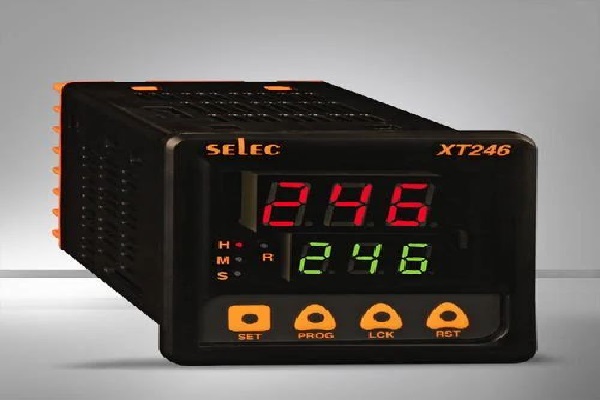
An automation timer is a device or function that measures and controls time intervals to trigger or delay actions, ensuring processes run accurately and consistently, from simple on/off switching in machinery and lighting to complex sequencing in industrial automation, using internal programming to manage delays, cycles, and events based on preset durations. These timers provide reliability, precision, and reduce manual intervention, operating as standalone hardware (like digital timers) or software instructions within systems like PLCs.
Key Functions
- Delaying Actions (On-Delay/Off-Delay): Turning something on or off after a set time.
- Creating Cycles: Repeating tasks at fixed intervals (e.g., conveyor belts).
- Sequencing: Coordinating multiple steps in a manufacturing process.
- Event Triggering: Starting an output (like a relay) after a count reaches a preset value.
Types & Examples
- Digital Timers: Programmable, use microcontrollers, offer high accuracy (e.g., for production lines).
- PLC Timers: Software instructions within a Programmable Logic Controller for internal logic.
- Timer Relays: Hardware devices that switch electrical contacts based on time.
- Software Timers: Functions within workflow automation to wait for specific durations or events.