
Serial Interface Converter
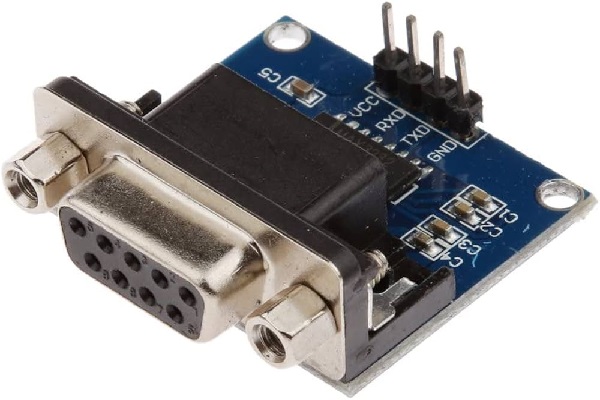
A Serial Interface Converter is a device that translates data signals between different communication standards, bridging compatibility gaps between legacy serial ports (like RS-232, RS-422, RS-485) and modern interfaces such as USB, Ethernet, or fiber optics, allowing older industrial equipment to connect to contemporary networks for remote monitoring, configuration, and control, enabling seamless data flow and extending the life of existing systems.
Key Functions & Types
- Protocol Translation: Converts between various serial protocols (e.g., RS-232 to RS-485) for direct device-to-device communication.
- Serial-to-Ethernet/IP: Makes serial devices network-ready by converting their data to TCP/IP, enabling remote access and management over an IP network.
- USB-to-Serial: Connects modern computers with USB ports to devices requiring a traditional serial connection for diagnostics or configuration.
- Serial-to-Fiber: Extends serial communication distances and provides immunity from electromagnetic interference (EMI) by converting signals to optical signals.
How They Work (Serial-to-Ethernet Example)
- Data Capture: The converter receives serial data (e.g., from a PLC, sensor, or ATM) through its serial port (RS-232, RS-485, etc.).
- Data Conversion: It translates this serial data stream into a TCP/IP packet format.
- Network Transmission: The IP packet is sent over an Ethernet network to a designated IP address and port.
- Bidirectional Flow: The process works in reverse for data coming from the network to the serial device.