
Light Indicators
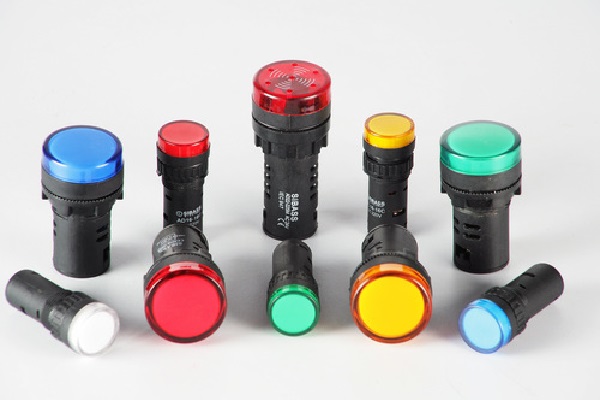
Light indicators are small, colored lights (often LEDs) on devices that visually communicate operational status, warnings, or faults, using colors like green for "OK," yellow for "caution," and red for "danger," plus blinking patterns, to give users quick, intuitive feedback about a machine's condition without needing technical knowledge. They range from simple power lights on appliances to complex symbols on car dashboards, signaling everything from "power on" and "charging" to low fluid levels or system errors.
Common Colors & Meanings
- Green: Safe, normal operation, ready to use, or a specific function is active (e.g., Wi-Fi connected).
- Yellow/Amber: Warning, caution, or a condition is approaching limits (e.g., low fuel, temperature deviation).
- Red: Danger, critical error, immediate attention needed, or system failure (e.g., overheating, low oil pressure).
- Blue/White: Often for specific modes, external requests, or general normal status (e.g., sport mode, data transfer).
Common Functions & Examples
- Power/Status: Power button light (on/off), standby, active operation.
- Connectivity: Wi-Fi signal strength, Bluetooth pairing.
- Activity: Blinking to show data transfer or disk usage.
- Warnings (Vehicle): Check Engine, ABS, low tire pressure, airbag fault, gas cap loose.
- System Alerts: High coolant temp, low washer fluid, battery charge alert, service needed.
Types of Indicators
- LED (Light Emitting Diode): Most common, energy-efficient, long-lasting.
- Incandescent/Filament: Older technology, uses a glowing wire.
- Stack Lights: Industrial towers with multiple colored lights for complex machine status.