
Counter
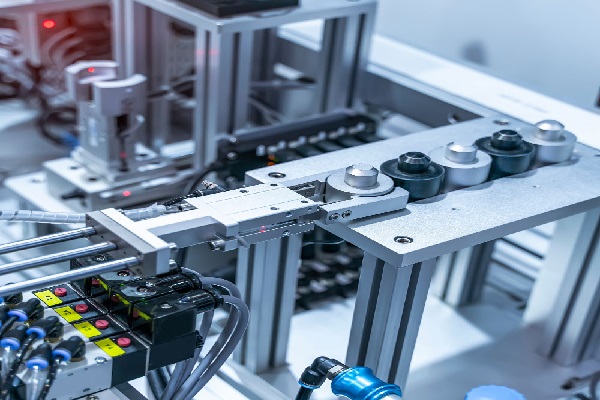
In automation, a counter is a device or function that accurately tracks and tallies occurrences of specific events (like objects passing, operations completed, or pulses received), incrementing a value until a preset limit is reached, at which point it can trigger a control output to perform an action (e.g., stop a machine, start the next step). Counters are essential for monitoring production, controlling batch sizes, and automating sequences without human intervention, offering superior speed and reliability for high-volume counting tasks in PLCs and industrial systems.
How They Work
- Input: A sensor (like a proximity or photoelectric sensor) detects an event (e.g., a bottle on a conveyor).
- Counting: The counter's internal value increases with each input signal (pulse).
- Preset Value: A target number is set (e.g., 100 bottles).
- Output: When the accumulated count reaches the preset value, the counter sends an output signal to activate another machine component or change system state.
Key Types & Features
- Up/Down Counters: Count up (increment) or count down (decrement).
- Preset Counters: Trigger an output when the preset value is reached.
- Retentive Counters: Retain their count even after power loss, resuming from where they left off.
- Fast Counters: Specialized for very high-speed counting, often used with PLCs.